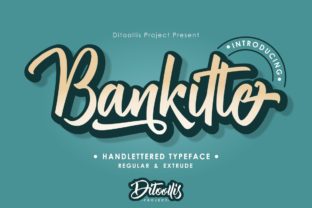
Blondie: The Hand-Crafted Script Font That Brings Labels to Life
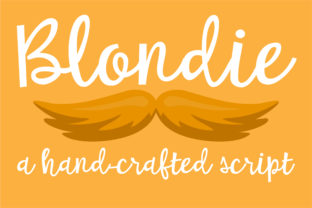
The coffee is brewing, the cutting mat is rolled out, and I am staring at a blank design file for my new line of soy candle labels. For hours, I have been scrolling through libraries, trying to find a typeface that feels just right—something that isn't too stiff but also not so messy that it becomes unreadable on a small jar. Then I found Blondie. It is a casual hand-crafted script with a medium weight that immediately felt like it belonged on my packaging. There is something about this font that bridges the gap between professional polish and genuine handmade charm.
When you are creating physical products, every pixel matters. You want your brand to feel warm and inviting, yet distinct enough to stand out in a crowded shop. Blondie captures exactly that mood. It does not try to be perfect; instead, it embraces the slight imperfections of human handwriting while maintaining a clean structure that works beautifully for commercial use. Whether I am designing greeting cards, seasonal tags, or digital planner pages, this script amp adds a layer of personality that makes customers feel like they are buying from a friend rather than a faceless corporation.
From Screen to Shelf: How Blondie Transforms Product Design
One of the first things I noticed when testing Blondie was how well it performed on different mediums. I started by printing mockups for my boutique packaging. On a white cardstock tag tied with twine, the medium weight of the letters provided excellent contrast without looking heavy. The curves of the script flowed naturally, making simple phrases like "Handmade with Love" or "Freshly Poured" look elegant and intentional.
This versatility extends far beyond just paper goods. I recently used this creative font for a set of vinyl decals intended for tote bags and mugs. Because the stroke width is balanced, the text remains legible even when wrapped around curved surfaces. When you are selling physical merchandise, clarity is key. A font that looks great on a screen can sometimes get lost on a product, but Blondie holds its shape well. It works as a display font for headlines, capturing attention instantly, while still being refined enough to serve as decorative wording on smaller items.
For printable creators, the implications are even more exciting. Imagine designing a wedding invitation suite where the couple's names are rendered in this charming script. The visual appeal is immediate, setting a tone of warmth and celebration before the guest even reads the details. Similarly, for those who create digital downloads like journaling prompts or wall art, Blondie offers a modern typography style that fits perfectly into farmhouse aesthetics, boho designs, and contemporary stationery collections.
Practical Applications for Your Shop Materials
If you are a maker looking to elevate your brand identity, here are several realistic ways to incorporate Blondie into your workflow:
- Candle and Soap Labels: Use the font for the product name and scent description. Its medium weight ensures readability on small jars without needing to increase the point size excessively.
- Wedding Stationery: Perfect for welcome boards, seating charts, and place cards where a personal touch is essential.
- Seasonal Tags: Create holiday gift tags or Christmas ornaments where the handwritten style evokes nostalgia and joy.
- Apparel and Accessories: Ideal for screen printing or heat transfer vinyl (HTV) designs on shirts and tote bags, offering a soft yet bold look.
- Digital Planners: Great for headers and decorative elements in printable journals, adding a whimsical flair to functional layouts.
The emotional appeal of using a script like this cannot be overstated. In a market saturated with generic sans serif fonts, Blondie signals effort and care. It suggests that the product inside the package was made with intention. This perception of quality can significantly influence customer engagement and repeat purchases.
Designing for Readability and Impact
While the aesthetic appeal is undeniable, practical considerations are crucial for any font used in commercial products. One of the strengths of Blondie is its balance. It is a script font, which means it mimics handwriting, but it is structured enough to be read quickly. However, there are tips to keep in mind when applying it to real-world projects.
For cutting machines like Cricut or Silhouette, test your kerning carefully. While the font is generally forgiving, tight spacing between letters can cause issues when weeding intricate scripts. I recommend leaving a little breathing room between characters, especially for shorter phrases or single words used as logos. If you are designing stickers or small product labels, ensure the text is large enough to be legible when viewed from a distance. The medium weight helps here, but size matters.
When it comes to longer text, such as instructions on a back label or body copy on an invitation, Blondie might become difficult to read if used exclusively. Scripts are best suited for short phrases, names, titles, and decorative accents. For the main body of text, consider pairing it with a clean sans serif font or a simple serif font. This combination creates a hierarchy that guides the reader's eye. For example, using Blondie for the headline "Artisan Scented Candles" followed by a crisp sans serif for the ingredients list creates a professional and easy-to-read layout.
Font pairing is an art form. A bold display font can work well for maximum impact, but often a neutral companion allows the script to shine. Try combining Blondie with a geometric sans serif for a modern twist, or a classic serif for a more traditional, editorial design feel. The goal is to maintain brand consistency while ensuring the message is clear.
Technical Details and Licensing Considerations
Before you start mass-producing designs, it is important to check the technical specifications included with the font family. Most premium fonts come with various styles, alternates, ligatures, and swashes that can add unique flourishes to your designs. These features allow you to customize the look of your text, making each word feel slightly different and more organic.
Additionally, verify the file formats available. Having both OTF and TTF files ensures compatibility across different software platforms, from Adobe Illustrator to Canva. If you plan to sell digital templates, printables, or SVG-style designs, checking the multilingual support is also wise. Does the font include accented characters for international markets? This can expand your potential audience significantly.
Perhaps most importantly, review the commercial font licensing terms. As a creator selling physical products, digital downloads, or merchandise, you need to ensure that your license permits these uses. Some fonts require specific licenses for merchandising, while others allow unlimited commercial use. Understanding these details protects your business and ensures you can confidently use Blondie in your shop branding without legal worries.
In the end, choosing the right typeface is about finding the voice of your brand. Blondie speaks warmly, casually, and creatively. It invites customers to slow down and appreciate the details. Whether you are finalizing a batch of holiday signs or launching a new line of printable wall art, having a versatile script like this in your toolkit can make all the difference in how your products are perceived. It turns a simple label into a story and a product into an experience.